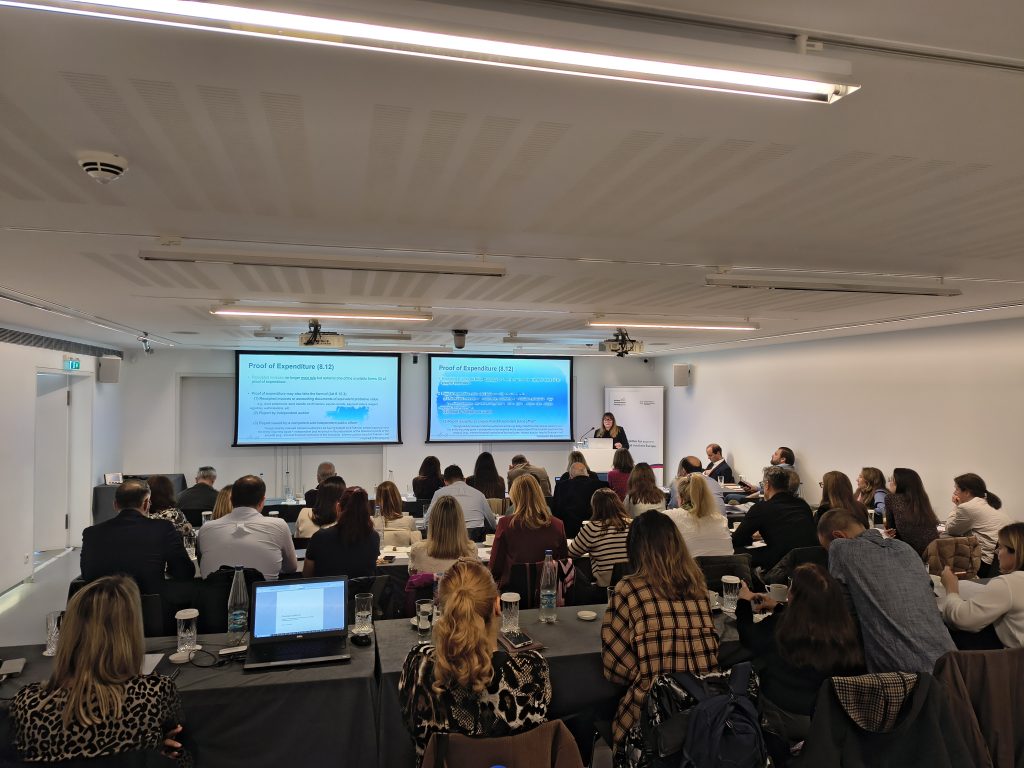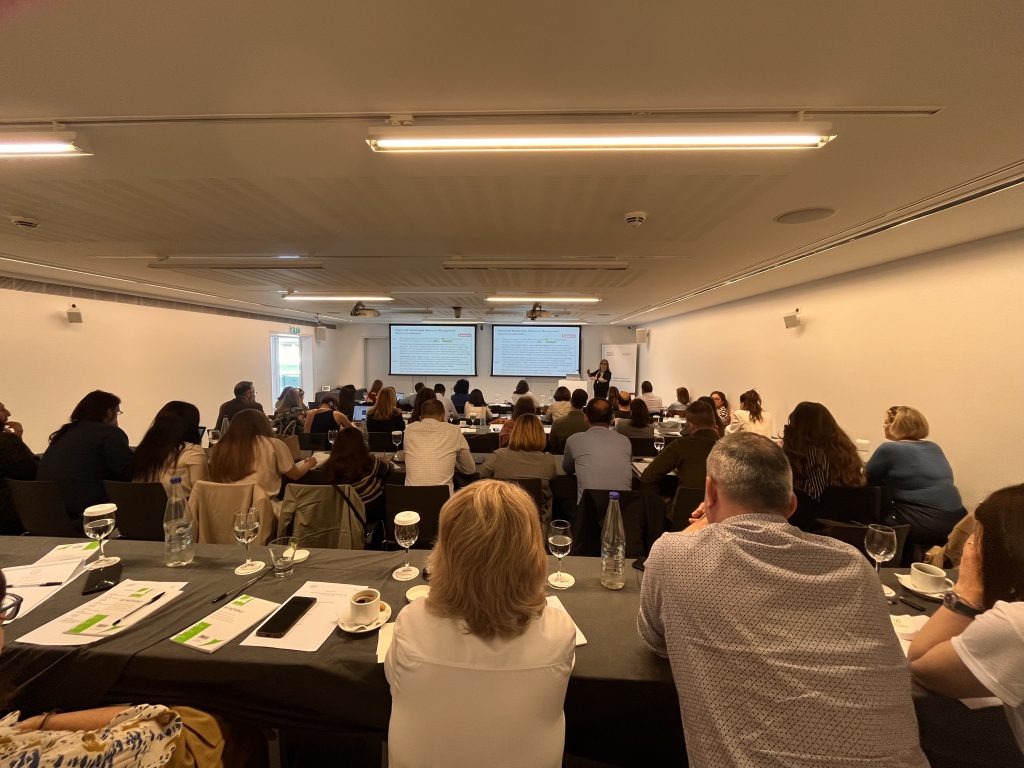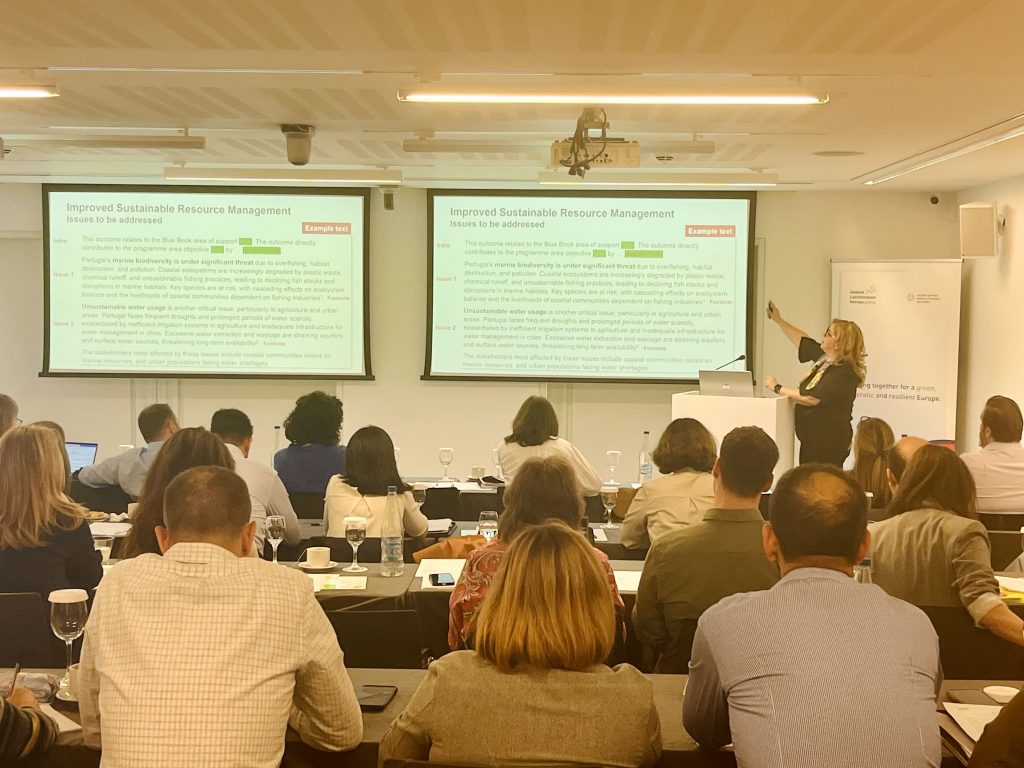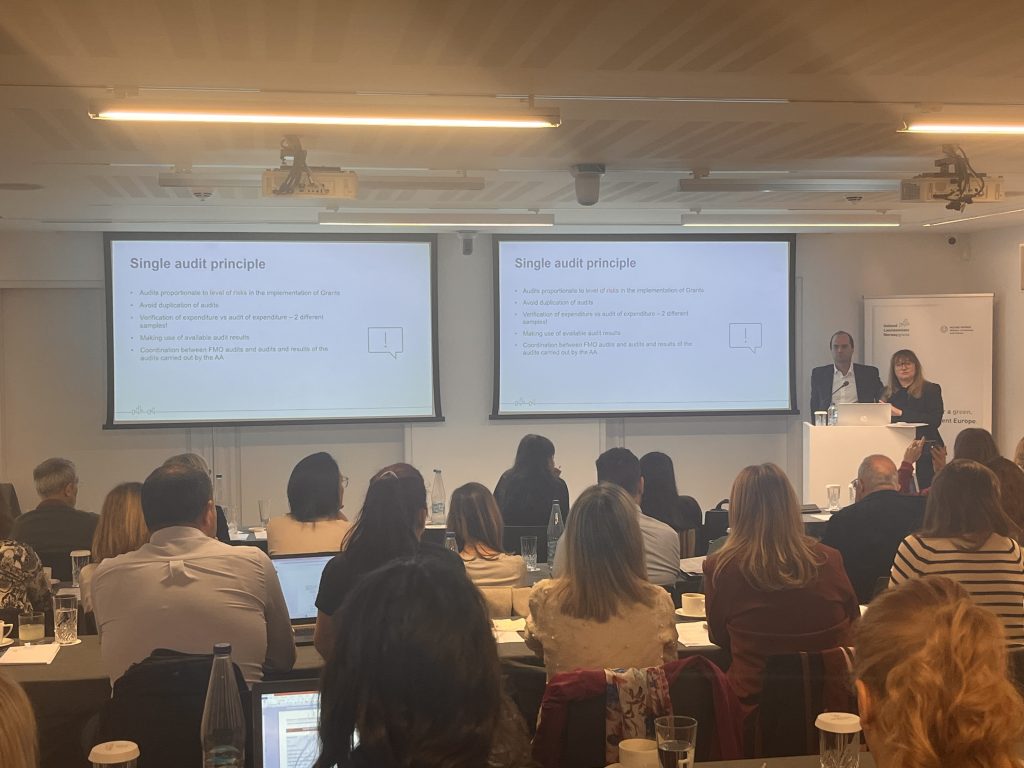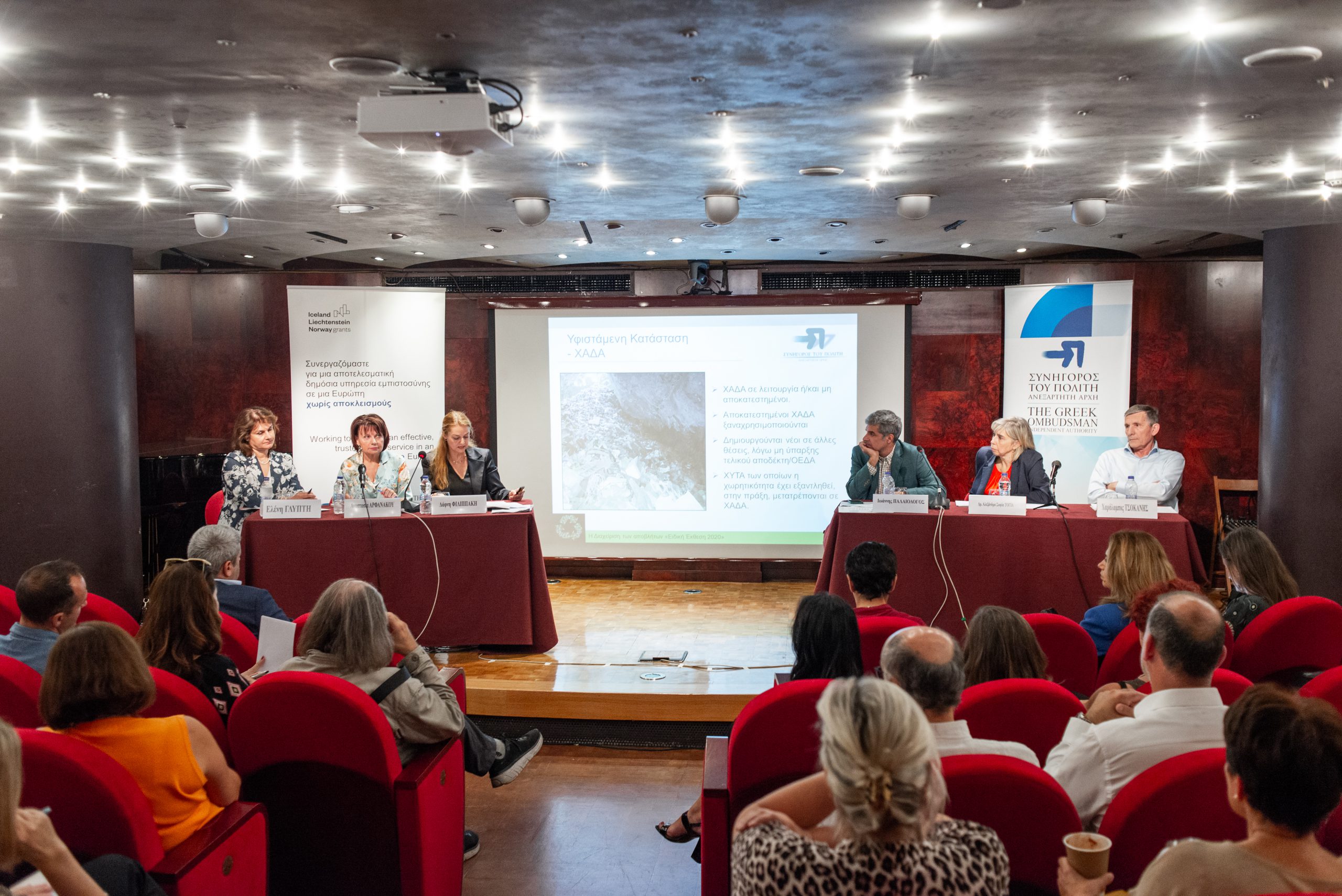

A two-day training and capacity-building seminar for the new EEA Grants 2021–2028 programming period took place in Athens on 22 and 23 April 2026, with the participation of representatives from the Financial Mechanism Office — FMO — and Greek stakeholders involved in the design and implementation of the new programmes.
The seminar followed the signing of the Memorandum of Understanding for the new programming period, which took place on 20 March 2026, and formed part of the preparatory process for the programmes to be implemented in Greece under the EEA Grants 2021–2028. According to the training material, the new period in Greece includes four programmes: Green Transition, Local Development, Green and Blue Business Innovation, and Justice.
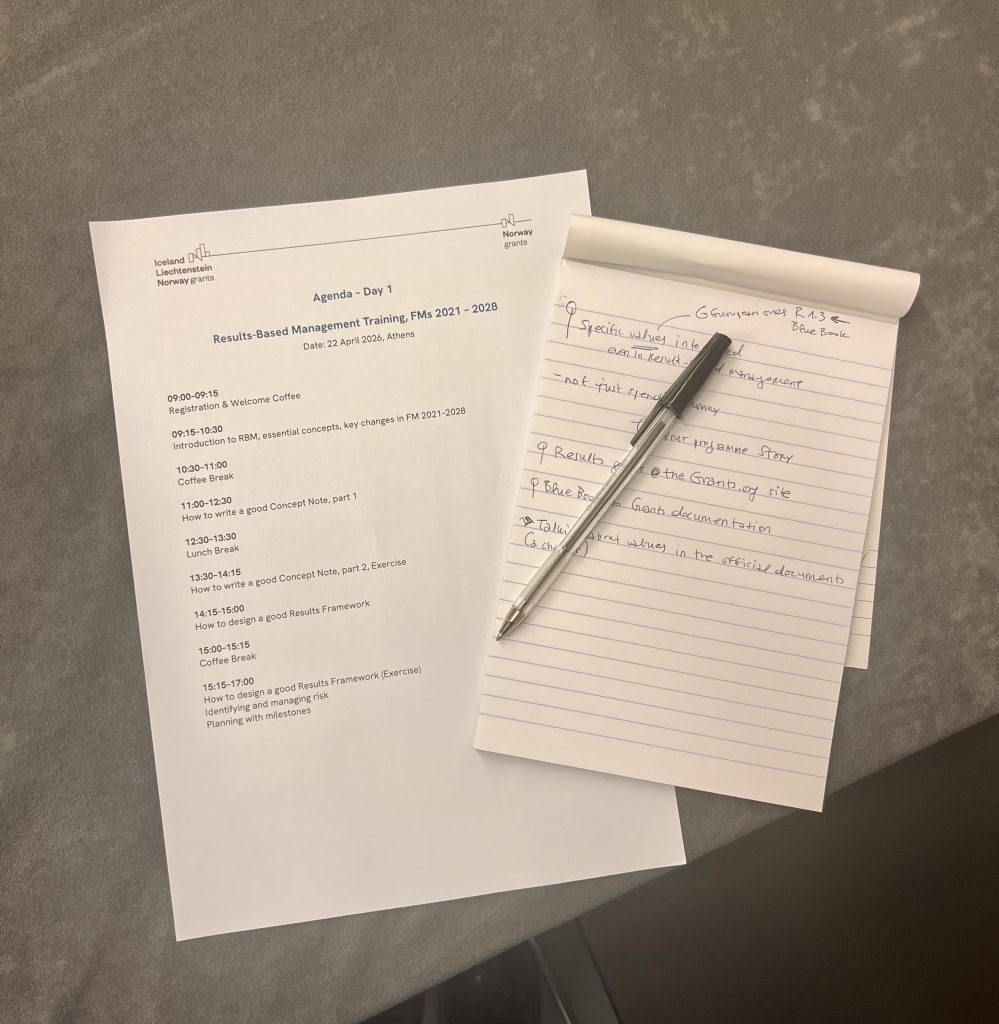
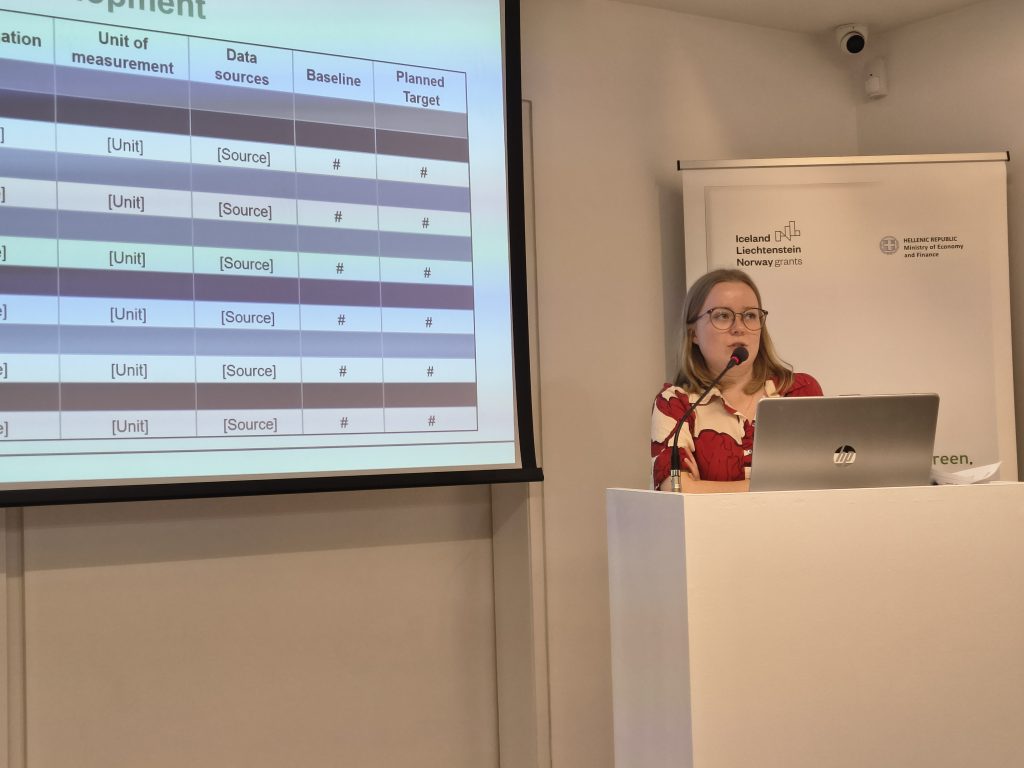
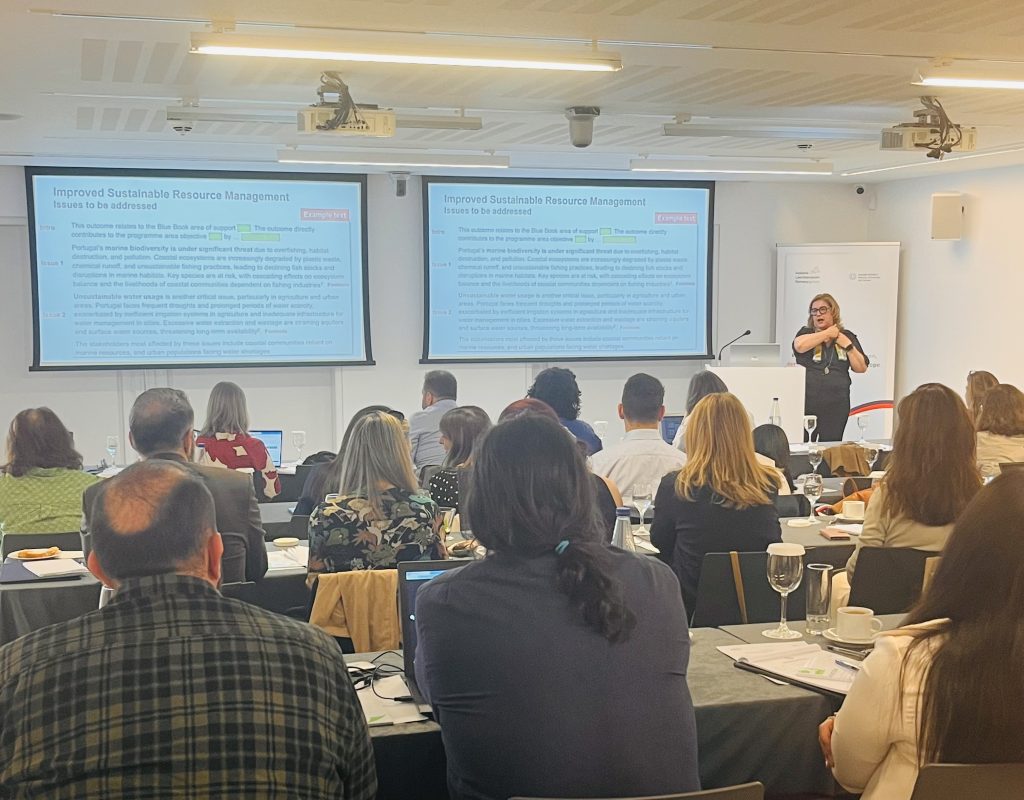
The first day focused on Results-Based Management — RBM — and its role in programme design, implementation, monitoring and evaluation. As presented by the FMO Results and Evaluation team, RBM is a management approach intended to ensure that processes, products and services contribute to the achievement of desired results. Particular attention was given to the results chain, the development of clear Concept Notes, the design of practical Results Frameworks, and the identification and management of risks.
The second day addressed legal and financial aspects of the new programming period, as well as key changes in the regulatory framework of the EEA and Norway Grants 2021–2028. Topics included the process from the Memorandum of Understanding to the Programme Agreements, the roles and responsibilities of the entities involved, new flexibilities in programme management, bilateral cooperation, project selection, eligibility of costs, audit and control, and the simplification of procedures.
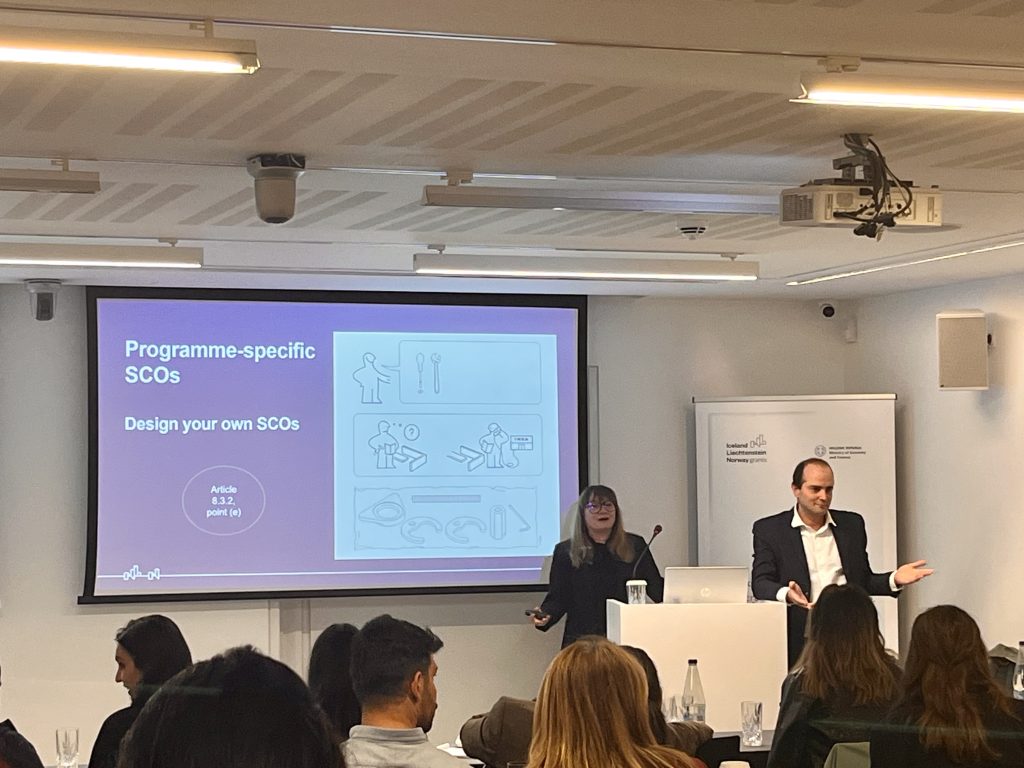
A dedicated session was also held on Simplified Cost Options — SCOs — as an important tool for reducing administrative burden and supporting more efficient financial management. The training covered the main types of SCOs, including flat rates, unit costs and lump sums, as well as the conditions and possibilities for their use in the programmes of the new period.
The two-day seminar offered an important opportunity for knowledge exchange, practical guidance and clarification between the FMO, the National Focal Point and the implementing bodies. It also contributed to a shared understanding of the requirements of the new programming period, with emphasis on clear intervention logic, good governance, transparency, effectiveness and the achievement of measurable results.
The new EEA Grants programming period in Greece begins with the aim of contributing to a green, democratic and resilient Europe, through partnerships that generate added value, strengthen bilateral relations and support the reduction of social and economic disparities.