
For the funding period spanning 2014–2021, Iceland, Liechtenstein and Norway provided €2.8 billion to the 15 least prosperous countries in the EEA, with Norway providing roughly 97% of the funding. Support was targeted towards the following thematic priority areas: Green, Competitive, and Inclusive.
The 2014–2021 funding period comprised a complex and wide-ranging set of programmes implemented across multiple Beneficiary States and thematic areas. In total, over 6,600 projects were completed within 97 programmes in 14 Beneficiary States. This report presents a consolidated overview of the period, examining how the Grants were translated into national programmes and projects, and what they achieved.
Covering a broad spectrum of thematic areas, the 2014–2021 Grants supported interventions in various fields, including innovation and competitiveness, education and research, social inclusion and health, environment and climate action, justice and home affairs, culture, and civil society. Programmes were designed to respond to national needs while aligning with agreed priorities at the level of the Agreement on the European Economic Area (EEA Agreement). The diversity in thematic focus and national contexts required tailored approaches to programme design, implementation and monitoring.
The implementation of the 2014–2021 Grants took place in a dynamic and, at times, challenging environment. National administrations and Programme Operators managed the delivery of funding within established governance and control frameworks while adapting to evolving political, economic and administrative circumstances. The latter part of the funding period coincided with the COVID-19 pandemic and Russia’s warfare in Ukraine, which affected implementation timelines, project activities and stakeholder engagement. Adjustments made during this time are reflected in both financial and qualitative results.
A defining feature of the Grants is their emphasis on results-based management. Throughout the 2014–2021 funding period, programmes were monitored against predefined objectives and indicators, allowing progress and outcomes to be assessed in a structured and comparable manner. This report draws on programme reporting, financial and statistical data, as well as qualitative assessments to provide an evidence-based account of achievements and challenges.
The purpose of this report is to document the implementation and results of the 2014–2021 EEA and Norway Grants in a clear and accessible way. By presenting key data, analysis and selected examples, it aims to support accountability, institutional learning, and informed discussion among stakeholders. The report also provides a reference point for the ongoing 2021–2028 funding period, supporting continuity and improvement in future programme design and delivery.
You can read it in its digital form here.
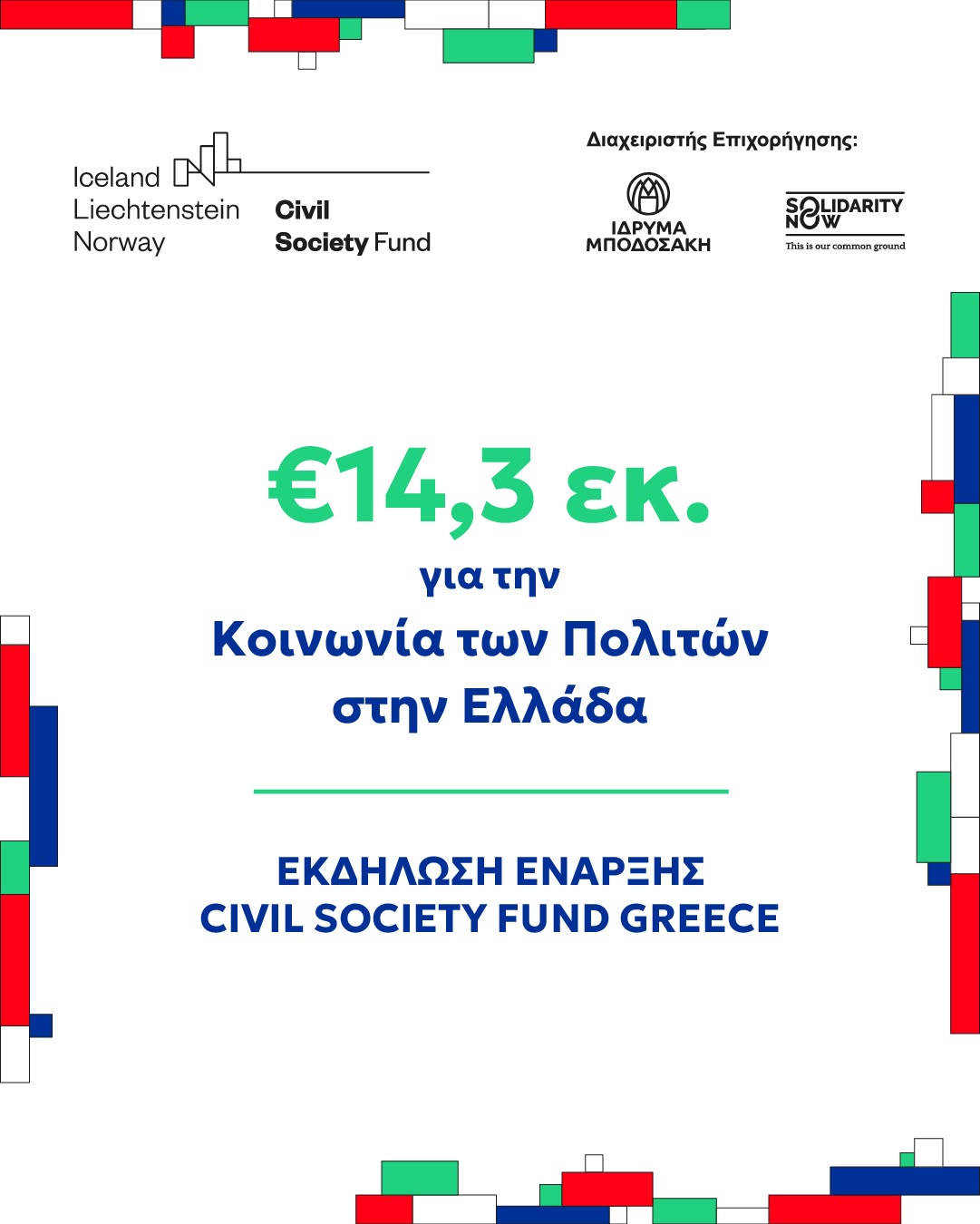
And here you can find all the relevant information about Greece. (See also the attached infographic.)